












Let's Find You the Perfect Managed Hosting Plan.
Answer a few questions, and we'll present you with a personalized tour of the Cloudways platform based on your answers.

Days
Hrs
Min
Sec
Promo Code:HIGHSPEED

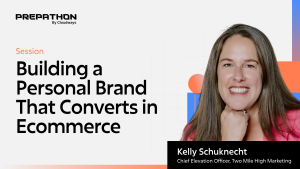
📣Kick off Day 2 of Prepathon with a practical panel on Black Friday prep for WooCommerce stores. James Scamp, Chris Badgett, and Andrew Comb share what actually works: starting early, keeping pricing/margins sane, building simple but effective promos, hardening your tech stack, and using human-first tactics (trust, support, reviews) to win the busiest season of the year.
Welcome and panel setup And we are back folks uh with day two of this year’s Prepathon. I’m so excited to get this day started because we have so much in store for you today. Uh we will be starting off with a panel discussion on some Black Friday insights. We actually have a couple of sessions on Black Friday today. So, if you are a store owner who is preparing themselves and their stores for the busy holiday season ahead, make sure you stick around for these sessions because you will get a lot to learn and might be able to do some improvements, some optimizations for your online store for this busy holiday period. So, joining me in this panel session today will be James Scamp uh uh head of product for for WooCommerce. So, James, thank you so much for being here. Uh it’s it’s it’s an absolute pleasure having you uh for this year’s Prepathon. Uh how do you feel about about this about this event uh and and who who else is joining you for this for this panel discussion? Yeah, thanks uh so much for having me. Um I’m looking forward to it. I I think it’s going to be more like a discussion than a talk as it were. Um and I will caveat the whole thing by saying that I’m losing my voice at the moment. So, I’m hoping that won’t uh become an issue. Um, and also a slight correction that I’m the core product manager, not the head of product. But uh, yeah, it’s um, I’m looking forward to it. I am going to be talking to both uh, Chris Budget who runs Lifter LMS and he runs it on Woo Commerce. Uh, and Andrew Comb who runs a store called Compare the Bathroom or he’s on the marketing team of Compare the Bathroom. um which also uses Woo Commerce and I think there’s going to be tons of insights that we can gather and gain from uh you know both myself as someone who works building the actual platform uh and these two comparatively different types of WooCommerce stores. Um so yeah, I’d love for Andrew and Chris to introduce themselves if we could start with Andrew. Oh, hi there. Right. Um I god, how do I begin? Uh I um joined Compare the Bathroom about about eight years ago and we moved everything over to Woo Commerce because the system that we had wasn’t very flexible um so stupidly I did that myself Planning and timing that win from from from pretty much nothing and it’s now quite a huge store. Um we also run another e-commerce store as well. Um, so it’s quite a lot of work to manage and uh build it all, but it’s it’s amazing how flexible it all is. Um, you know, all the tools that are available to us and I’ve been learning a lot as I go on the fly. So yeah, that’s me. I’m Chris Badget and uh I’ve been selling software with Woo Commerce for 11 years. Mostly I sell uh annual subscriptions, but also lifetime licenses and some other products. And I’m happy to share everything I’ve learned about preparing for black black Friday, Cyber Monday, leveraging Woo Commerce in these times. So, thanks for having me. Yeah, thanks for coming on. Um, so to set the scene, I know I I have in the past also run um a a product shop. Uh, and we frequently had sales, but also Black Friday sales. And I know that our Black Friday sales were always like the most significant sale of the year. Um, we always saw uh the most, you know, sales volume coming in during that time during that like whole month. um compared to any other sales season. Uh and I also know that it was a bit of a nightmare to actually like prepare for that um not just at a technical level but also at uh like a marketing level and you know optimizing the website in general to to prepare for that um which was always a challenge. So, I’m hoping that by having this conversation and getting the perspective of, you know, these different use cases of of Woo Commerce and different types of stores, uh, that we can kind of gain some valuable insights for the people listening, uh, to, you know, figure out ways for them to prepare their stores, uh, or their customers stores depending on, you know, where they sit in that. Um so yeah, first of all, I think it’d be useful to talk about this preparation um phase of of preparing and we’ll we’ll focus on Black Friday, but I think you can apply the same logic to any sales season. Uh but like I say, Black Friday for me was always the the biggest um by like a substantial amount. Um so yeah, I’d really like to talk about the preparation phase and you know when you actually start preparing um what that looks like and also Chris I know in particular you tend to start the Black Friday season a bit earlier than actual Black Friday. Um so I think it’d be interesting to to hear a bit more about that. Absolutely. Um, so I’ve been running Black Friday sales for over a decade and my biggest piece of advice is you can’t keep it all in your head. So use a tool like Trello or some kind of project management tool, particularly if you have a team that are doing different pieces of the Black Friday sale and all the technical needs for that. The good news is Black Friday comes around every year. So once you build a system, you can just kind of repeat it. And the way I like to think about it is every year we try something new. You know, 80% of it works great, 20% doesn’t. So it’s just constantly getting better and better year after year, year after year. And an example of something I learned is that it’s very competitive during Black Friday and Cyber Monday or that long weekend. Mhm. So what I decided to test one year was what if I start one week earlier before people have spent all their money and then that worked really well. So I was like what if I start at the beginning of November? So that’s just an example of something I learned. So for our business, we’ve transitioned to a concept called Black Friday all November. So that’s just an example of just learning along the way. However, most of the sales do come in on the Black Friday, Cyber Monday, but we still get a lot in that buildup before people have spent all their money. So, that’s just a key idea there. That’s interesting. I I feel like a lot of stores have adapted to that as well. And you’re seeing um stores start a week before. I I know we always started a week before uh you know, started the actual sale a week before. Um, and I think you do see that a lot now as well. So, I think moving to the the month before is is a a nice concept. Um, I wonder if we’ll just have like a permanent, you know, all year is Black Friday. Um, Andrew, what’s your experience been like? Um, so ours is a little bit complicated. Offers, pricing, and promotions So, we um, you know, complicatedly. Um, we sync our store with eBay and uh another one called Mano Mano. And so that makes it extra complicated. So we have to mark down all of the products. They’ve all got different percentages off and then just spend absolutely free just doing um CSV magic and manipulate all of the prices. That’s one of the biggest chores that we have. Um relatively speaking, the changing the theme is also another big thing. you know, getting every all the page launched, the special page area, um, putting up any banners or, you know, designs or anything. Kind of the last few years, luckily, we sort of made, I think one of the very first themes we did specifically was for Black Friday. We launched it not long before and so we have a Black Friday design and so we have to switch everything over, change all the little color palettes, all the little widgets, get the banners on, get the pages on. Um it’s it’s h quite a lot of work and it’s just my mission has been to try and make this as simplified as possible of late. Um because it’s a huge amount of work. Um but yes um we I think we’ve only really started fully embracing it since we went to Woo Commerce actually. So we we only been doing it a few years. Uh eBay itself does its own sort of thing. Um but we tend to run in two week cycles for that reason. So we’ll usually start the week before. um the actual Friday event and go on until the week after. It’s so it’s actually usually a twoe event for us, not not necessarily a um just the this you know Black Friday, Cyber Monday because that’s what an awful lot of the stores seem to do as well. So that’s fair. How far ahead of that period would you say you both start? Quite quite a while. Um, luckily the theme part’s not too much of an ownorous task anymore, but we’ve got to prepare lists of all of the items, get all the not marked down and then it’s a huge task to get through all of those products and mark them down ready to go. For me, I uh if I was doing it the first time, I would start like 90 days early just to get ready if I was planning on doing a pretty big promotion with a lot of steps. But now it’s I I need about a month head start and I’m good to go. That makes sense. Uh Andrew, you mentioned changing the theme as well. Do you change the whole theme or you just kind of brand elements? Brand elements, add-on bits. Um we changed the front page design. Um added new banners and then there’s a special area just dedicated for the the Black Friday itself which just use the same kind of theme element. Um we we’re quite flexible. We’ve got the cadence theme. I don’t if you’re familiar with it. And so you can do a huge amount in that theme. It’s fantastic. Um just build everything in blocks and hook it onto pages. Uh you know, so you can adjust. Um again, I’m keep pushing on that. Um there’s so many little things that you can do with it. Uh year on year, it’s getting bigger and bigger. Yeah. No, I I uh so I had a plug-in company before. where I worked for Woo Commerce which was acquired by Stella who owns also Cadence. Um so yeah very familiar and we used to use Cadence as well. Um and something that we did was we prepared all of the these like theme elements ahead of time. Um, and I think it was in cadence or like a some sort of extension that enabled uh the ability to show slashhide blocks in in the theme at a certain time. Yes. Whereas I know previous years I’ve had to like sit there at midnight and wait the go live button. um which is uh yeah one of the biggest challenges I think is is actually preparing uh all of those elements and like you say we also had a a specific like landing page um our shop had uh 10 to 15 plugins that were in the sale um and when browsing the site it was kind of hard to envision what that that discount looked like. So we had a a landing page for that uh which worked really well actually and and the the checkout you were able to check out on that page as well. Um so there’s definitely a lot of marketing uh prep work that needs to happen as well as you know preparing emails. Um you know the email sequences that you need to put together can become either highly complex or like as simple as you like. uh we we tried multiple approaches um in terms of like how many emails are sent uh the different segments that they’re sent to. So you might want a different uh email depending on if the person’s renewing soon anyway or if they Marketing assets and channels were a previous customer uh or if they’re just, you know, someone on your list that has never purchased. Um there’s tons of things to think about there with emails, but you could also just go as simple as send the same email to everyone. uh you know, we’ve got a Black Friday. Maybe you send that uh before the sale starts, when the sale starts, and when the sale’s going to end. Um so, you could go as simple as you like, and I’d probably recommend just going as simple as possible uh to start with because yeah, that that can occupy a lot of time, especially if you’re, you know, a solo founder or uh don’t have a marketing team as it were. Yeah, I’ll just add that um there’s like four key pieces. So, I like to write the emails in advance in a Google document and then I use a plugin made by the team at paid memberships pro called sitewide sales which can pop a banner at a specific time and and that sort of thing. And then either having a landing page or a news item uh blog post that kind of puts all the information in one place. And then the fourth thing is preparing in Canva or something like that your social media graphics that you’re going to be doing in advance. That’s most of the Black Friday sale that whether you’re just starting out or you’re a seasoned pro, you got to have all those assets ready to go. That’s true. Another thing I haven’t thought about uh until you said that was we used to do uh retargeting as well um mostly on Facebook. So, you’d have like Black Friday specific adverts there as well. Um, so yeah, there’s tons of stuff specifically for Black Friday and I guess any sale that you could put together. But my advice would be to uh start with at least a landing page and some sequence of emails, uh, even if it’s just three emails. Um, and also a banner. I used to have a banner at the top of the site that, you know, was sitewide just indicated that, yep, we’re having a sale. Um, you know, go and check it out. But yeah, just uh make make some noise and don’t be afraid to to make some noise that the sale is happening. Uh it it’s a very noisy season. You know, people are getting tons of emails. Um so it’s definitely worth trying to stand out. If people don’t want to hear, then they will unsubscribe. Um, that’s awesome. I I saw a question uh come in from Curtis who said, “We’re very much focusing on like existing businesses.” Uh, do either of you have any insights for uh startups or, you know, businesses that that haven’t been online for too long? Maybe they’ve came online this year um for for the Black Friday season. I would say to just keep it simple at the absolute minimum. Send an email and make a coupon code and you know just start small. You can get advanced as you go. The other advice I would have is to be more generous than you feel comfortable with in terms of the discount amount. Now it depends on your margins whether you’re doing physical products or digital products. But the whole point of Black Friday is a shopping spree because of these crazy discounts. So when you tap the river of demand and the buyer psychology that’s already there from in-person shopping malls, you want to replicate that experience with your WooCommerce store. Agreed. And I think a lot of it also depends on uh who you can send this information to, right? like you need uh to start thinking ahead of time how you can gather emails uh for people that might be interested or you know have a space where you can share this um this discount and I think that’s that’s a massive thing is knowing that you can send your discount to people that would be interested. It’s also a very hard thing to to achieve. Um, have you have either of you uh kind of had a lead magnet as it were to to try and get these emails in before you send out uh information about a sale? I’ve done a popup before that said notify me about the Black Friday sale and run that like a month in advance. So then you get the people that are most interested. And the other uh tip I just want to put out there for um people who are just starting out, there’s a lot of media sites or deal sites on the internet. So part of our Black Friday process is we have a list of about a hundred websites that publish Black Friday deals in our niche. So we let them know about our Tech readiness and reliability deal in advance. So you’re not you don’t have to be responsible for sending all the traffic to your site. And that doesn’t cost money like paid ads, which is also good to do. But there’s especially if you have an affiliate program and share commissions, um there’s a whole industry of people that want to promote deals in all kinds of niches, not just software. Yeah, we also do um we did experiment with uh tailored pop-ups specifically for Black Friday, you know, like sign up for our uh you know, newsletter, we’ll send you on coupons, things like that. Um I guess the the other important thing is is I know not necessarily being mentioned, but tightness of design. You know, make everything look coordinated, make it all look really sharp. Um, I know it’s, you know, people sort of look at his designs almost like a secondass citizen, but you really need to make sure that everything just looks swish and works if they can’t open images because you see, I’m sure you’ve all had those emails where you open it up and it just looks terrible because you can’t read any of the text. So, just, you know, just do a little bit of experimentation. What happens if the image loading fails, anything like that? It’s quite common on email systems. Um, yeah, and and take inspiration. I think there’s there’s tons of um sites out there that document other people’s Black Friday pages and also their emails. Uh there was a site that used to document brand emails. I can’t remember what it was called. Maybe someone else knows. Um but that was very good. Like you could see every email they send uh and you know get tons of information from that about what works and and what doesn’t. But yeah, definitely um focus on that brand. Uh I think it’s important to also think about the technical ability uh the the kind of technical abilities of where your site is hosted. Um a lot of times depending on you know the product offering that you have uh as well as seeing an increase in revenue during the Black Friday season you will also see an increase in traffic. Um, and depending on how your site is set up, that could be a good thing or a bad thing. Um, so I don’t know about Andrew, your store. Is there any precautions that you take specifically at that time of year or have taken just in general to make sure you’re That’s such a general thing. We haven’t yet had a a flood unfortunately. Uh, a flood in the Black Friday. We do we do we run sales all throughout the year. Uh the Black Friday still is an important sale for us, but it’s not like I say it’s probably one of the bigger ones, but we do them all through the year. Uh just keep on manag I’m constantly looking at the C panel CPU usage to make sure we’re not being flooded. Um monitoring the whole thing. Um so yeah, it’s it can be quite good. Um recently we moved everything across to um CloudFlare which does help an awful lot. Yeah. Um I’m still getting to grips with it all but um and um strong caching you know so that not all the resources are coming directly from your site um helps an awful lot and again I’m I’m I’m learning more about that as I go along myself but um you know I absolutely recommend that people get themselves strong caching which unfortunately is a is a counterpoint to what you were saying about having automated timings um that can really interfere with it you know when uh you’ve got like a banner that pops up at midnight. Well, except your cash doesn’t mean that it doesn’t go and um of late I have had a lot of problems with uh cron jobs as well because they can go a bit ary occasionally. Um don’t always trigger when you should have done. So yeah, can get quite technical. Yeah. So I think a key point there is to you could automate a lot of these things but make sure you keep an eye on it. Yeah. I’m a fan of having really good hosting. So, I’ve never had to change my plan, but depending upon what host I was on, I would not be shy about increasing the resources for a month, and then I could always scale it back down. And for us, we get about triple the normal month’s revenue and triple the traffic. So, it is quite a bit of increase. Uh you and you definitely just don’t want to be caught. And if your hosting has or there’s some service you can sign up for to like let you know if the site’s having issues um so that you can find out in real time and deal with it, I’d recommend doing that. But at a minimum, no harm in increasing your resources during that period. That makes sense. Um there’s a service called uptime. Uh I think there’s also one called robot ninja or something like that. Uh, and some of these services as well can monitor whether your not just whether your site is is alive, but also whether like the checkout process is working. Um, which is always useful to know. And that’s an important thing. If you change a bunch of stuff on your site for a sale, you should test it. Like don’t just turn it on and walk away. Test the test the checkout. Make sure the landing pages and the unique temporary flows you’ve set up are working as you would expect. As well as if you have special emails that go out when people buy during this period. Like for example, we give away and this is a tip for beginners and established people. Sometimes it’s not just about lowering your price but adding bonuses. So, it’s really important that after they purchase the email that gives them access to all the bonuses uh goes through. So, you should test all these things. Very true. Are there any in terms of like your checkout itself? Do you make any changes there or you keep the the same checkout that you typically have? Yeah, you just keep the same one really. Um I I’ve never really thought about that actually. We can I guess um sometimes we have a little um banner. We can because again I can edit the checkout page and put a banner in and so we’ll say oh by the way you know that these items are on sale. Uh but we don’t specifically modify it per se. we have to make a lot of changes because Psychology, trust, and differentiation we don’t use um we use Woo Commerce but we kind of have our own custom l uh landing pages and pricing tables and things. So the um like the buttons to add to cart are just URL uh direct to checkout with coupon codes. So there’s a lot of changes of button links as well as striketh through pricing that we do to show the discount and um so those there’s a lot of changes and that’s in terms of just pricing and how much the discount is and making sure all those direct to checkout links whether they’re from the website or from an email or a landing page that all those are adjusted and good to go. And then I put a calendar event in my calendar after the sale period is over to revert back because you you also have to undo everything you just did for the sale. Yeah, that’s a good point. I I like the direct to checkout um approach. I think it kind of lands the person like they’ve shown intent uh for whatever product they’ve clicked on and they land, you know, right where the action happens. Um, I don’t know if you’ve seen, but recently we we being Woo Commerce released uh checkout links. Um, where in the past you could only add one product to checkout via a direct link at a time. Uh, whereas now you can kind of compile a checkout including coupons um and and generate a link just for that. Uh so I think that would be super useful for for that kind of use case like especially if you say you know if you buy all five of these products you get x% more discount. Um so I think that could be a very useful use case for checkout links. Um so we’re kind of talking about how to set up and how to prepare for it. Have you have either of you ever experienced uh it going wrong? Like has there ever been a scenario where okay you’ve you’ve set it up but actually the day after you realize that it’s not working at all? Um yes. Uh but um I had to just do it manually. Yes. The uh chron job just failed. So we set it all to run. Um it didn’t. What was the chron job meant to do? No, no. It just it just like we had it set up so that it was going to um you know like you go into the product, you say say from this date to this date and the it just didn’t happen and unsure why and if I uh knew these things I’d probably get paid more. So um so then had to just go in and make sure that everything was running. Um had to manually make sure everything you know. So we don’t we don’t rely on that anymore. We do it manually. Just to make sure for me it’s just like some detail I missed whether turning the sale on or turning it off in terms of like oh maybe I did a math error in the strikethrough pricing or people are buying and still getting the bonuses after the sale but because I forgot to disable an automation in my CRM powered by WP Fusion. So there’s always little stuff like that but we’ve never had a catastrophic failure. Good. And typically like that kind of stuff is uh is a frustration, but you can solve it pretty quickly, right? Yeah. I doubt anyone’s complained about it. Um cool. Yeah, I think it’d be interesting to to talk about kind of the human side of this and uh you know psychologically what you found works best for uh Black Friday sales. I know there’s there’s a lot of discussion around like what the best discount level is. Um also like how to present that to to your customers. uh how to avoid your customers getting annoyed that maybe they purchased, you know, two days before the sale started. Uh and and how you handle those situations. Um I’m interested to know about the the discounting levels. Um Chris, I know you’ve done a lot of research into like the optimum uh discount point. Have you got any insights to share on that? Well, it definitely depends on your profit margins, but with our digital software, uh, we go big and it’s the discount is only for the first year. So, we’d rather get more customers with a big discount like 50 or 60% off and then have a have a recurring customer that stays with us for the long haul. So in the digital high margin business, you know, I do pretty big discounts and um in terms of that’s one of a psychology that’s one of the main things that you really motivates people is to get in early and get a uh while it’s on sale. So the um and also it’s important to note that for existing customers who already know your brand, like what they’re doing, um getting them to I call it expansion revenue, get more stuff from you or upgrade to something bigger. It’s a great time of year to do that. And on the human side, we do a lot of like hightouch human sales during this time of year. So for example, we’ll do things like make our phone number more prominent and the phone is ringing a lot more during this period. We’ll do live um you know Zoom meetings and have like an event where we present on some cool stuff, talk about the sale, talk about the bonuses, answer questions or in sales we would call it handling objections. Um, but we get really out there and really accessible during this period. And people, you know, psychology-wise tend to either buy right at the beginning or right at the end, right before it goes off sale. And most of the action is right at the end. And that’s just human nature with uh loss aversion, if you will, that people want to get the deal while it’s available. So be ready for a lot of activity at the very end of the sale. Yeah, I saw the exact same um you know scenario where Black Friday itself was always quite high and then Cyber Monday was always you know 1.5 to two times more than Black Friday which was always interesting. I think it it does tie into this uh I guess like fear of missing out a little bit. Um, so yeah, that that’s definitely true. Do you experiment with different discount levels throughout the the month that you you do Black Friday or is it just like Black Friday is this amount, there’s no early bird? I’ve tried, that’s one of the experiments I’ve tried. So I tried once doing what’s known as an Irish auction where the earlier you buy, the cheaper it is. Or you could do it like if 50 people buy here, they get this price, but then the price slowly edges up still on sale. But I found that there’s a saying in sales psychology that the confused mind doesn’t buy. And I found that that was true. So now I just keep it simple. It’s a standard standard discount. Yeah, that’s interesting. We we’re kind of at the different end because we have um literally thousands of products on our site. It would take far too long to modify them. Um we’re also very tight on our margins. Obviously, we’ve got to try and get out there as low as possible. So, we can only offer so much money. Obviously, Black Friday, we do put a little bit more of a boat out um just because it’s obviously it’s the it’s the big event, but it it would be very ownorous to constantly modify the prices um dur during the event because of how big of a pro process it is. Um at least now we can kind of automate it. At first, we were doing it manually, which you know with um with your discounts, Andrew, is it you’re not doing like a flat percentage, but every product? No. No, we don’t. Um it would be wonderful if we could. No, we we um we’ll have different lines. Uh different things um have different margins and uh some things are ongoing lines. Sometimes we’re running things down so they’ll they’ll offer bigger margins because we already have had the stock for a while and it’s not selling. Um it’s it’s complicated. So we have a huge list of like what percentage we’ve got to take off uh on on all these different lines. um which often is complicated because then you also have uh variations as well. I don’t know how you guys have it can be very complicated. How do you take all of different discounts? Obviously, it’s not per variation, but you’ve got to adjust all of them on a variation. Um that takes quite a big process. Q&A highlights and closing tips Yeah, I can imagine. And across different platforms as well, right? Yeah, that’s a that’s a hefty task. Yes. Um, someone’s asked in the chat, and I’m going to say Madan, I hopefully I’ve said that right. Uh, what if you’re selling mainstream items, uh, well-known products that everybody else sells and the margins are not high? How do you stand out? Uh, and I think that touches on Chris’s point earlier about just being really available and standing out through service and like being, you know, the most approachable uh, shop that is selling these items and also the most understanding. I I that was always one of my main things when I was running my plug-in company was to be like to have the best service. Um even though you’re not physically there with them, but you’re just giving them support. You’re answering their questions with, you know, uh positivity. Even if the answer’s no, it’s you’re kind of you even, you know, answer in a positive way, direct them somewhere else where they could satisfy whatever their requirements are. uh and people remember that and I think that’s that’s important. I think also bonuses. There’s a big opportunity with that in terms of differentiation. Even just like a personalized 15minute phone call, like if it’s sort of something expensive that could warrant that or you could do like a group call with a lot of people. Um even like a simple digital ebook or something that just adds, you know, bonuses to this mainstream offer is uh can be quite powerful. That makes sense. And I guess for something like Andrew’s uh bathroom store, and maybe maybe this isn’t relevant, but you could have like a setup service that you know, typically if you buy this product, you have to pay extra for the setup, whereas if you buy in uh Black Friday, maybe you get the setup free or discounted. Uh no, but we we do do bespoke stuff. Um it’s it’s difficult actually. We try and be as pro as like keen as possible. Just look constantly looking about seeing what everybody else is doing it for. Uh trying to be as keen as possible. Uh we do sell a lot of branded stuff. Um get the brand out there, you know, because at the end of the day, it’s sometimes it’s not even about how good your service is. It’s just like making sure that everybody knows that it is legitimate. Um you know, that it’s not just a knockoff or anything like that, which a lot. We get a lot of questions, people going, “Is this legitimate?” Yes, it is. it’s an official one. Um, it’s a very important thing to get across. Um, and just making sure that you’ve got like good customer service. Um, it’s probably probably about the most important thing. Make sure that the questions get as answered really fast. Um, and that’s a challenge, you know, when you’ve got this influx of users. Chris, go ahead. What were you gonna say? Oh, just one more creative idea is you can also look at it as a marketing opportunity. So, for as example, if you were to include a hat or a t-shirt or some kind of swag item, you may be hurting your margins, but you’re also giving like a t-shirt to a customer who’s going to evangelize your product. Uh, so you can kind of look at it a little bit like an advertising expense. So, in some ways, if I did that during Black Friday and didn’t make any money, but then got a bunch of people walking around with my brand on, I think that’s kind of cool. Yeah, that’s an interesting approach. Have you tried that? Uh, yeah, we do. Uh, we’ve done the t-shirts before for our most expensive item, which has a lot of margin in it, but uh and people love it. I’ve seen it like people take a picture with it, they’ll put it on social media. Uh some of these people I’ve interviewed and on the podcast and they’ll show up wearing their branded um merch. So yeah, good idea. Um, any other points on on the kind of psychology behind pricing and and maybe I know there’s a lot of uh like FOMO type tools uh available like countdowns and you know limited stock and that kind of thing. Um stock-wise I guess Andrew that might be more relevant to your type of store. Yeah, we do try and keep an active um check on stock um and it it’s visible on our store so you know people can see how many are left. Um keeping the stock correct across all the platforms is a bit of a nightmare where we’ll have people buying buying it because it’s cheap and then the buy across all three platforms that’s happened once and then we’re like oh no where we’re going to get the extra stock from. Um but yes uh get making sure that the the stock is it is a big thing for FOMO if it’s it’s the last few. Yeah, for sure. I know it’s it’s convinced me to buy a few times. Um, also there’s there’s tools that kind of pop up in the corner that says, you know, someone just bought this or uh I don’t know if Amazon do it, but I’ve definitely seen it on like some department stores where they say, you know, 10 other people are looking at this product or 15 people have this product in their cart. Um, and things like that are good. I think they’re good when they’re true. I don’t like to see like them, you know, faked. And you do see that a lot, you know. Yeah. It would say like you’ve got 10 minutes to check out and then you refresh the page and it resets back to 10 minutes and it’s Yeah, that that goes against building that trust that that we were talking about. Um we also tap into um a buyer psychology trigger known as um identity or confirmation. So this is more subtle than scarcity and urgency, but reminding people about kind of the identity and if they’re going to be around for a while, they could buy more quantity or upgrade in our case to a lifetime license. So the specific messaging we use in that case is we sell learning management system software. Uh but we’ll say if your learning platform is here to stay, why not get this lifetime license at a big discount and that here to stay, uh if somebody’s really a life user and really identifies with your product, uh it’s a perfect opportunity to sell bulk or or more and just remind them that like, hey, you’re in this club. We’re we’re all on the same mission together. why not just get more of of this because you’re one of us, which is not um it’s not trying to convince somebody. It’s just more reminding them like, hey, I know you’re going to be buying this product every month or every year. Like, why not while it’s on sale? That makes a lot of sense. Yeah, I think particularly when they’re buying something like uh you know an LMS platform that essentially powers their their business or their side project. Um you know reducing costs there for them is is an ideal thing to do. Um, I wanted to touch on Andrew’s point earlier about uh kind of building trust. And I think something that I always do is if I’m buying from a site that sells a product that other sites sell, what I will always do is check Trust Pilot or whatever their review system is. For me, it’s always Trust Pilot. Um, I I just Google, you know, the site’s name and then Trust Pilot. uh but I know people use uh reviews, they use uh G2. So there’s platforms out there and I think something that you can do in terms of preparation is to make sure you’re getting reviews on these platforms. Um you know, having a presence that shows that yes, this is a real company. Uh we’re trusted. You know, our customers are happy. And I think that can be the tipping point for someone making a a purchasing decision. Yeah, we um we work very hard to try and keep our Trust Pilot score as high as possible. We do send out little reminder emails um and carefully because I like the way that you handle it on Trust Pilot where it sends out the email but doesn’t show you the score that it’s already there. It’s a really good way of you know in case you’re not doing so well. I mean we are actually doing quite well at the moment but it’s it’s an ongoing one but again we it’s trying to coordinate between because we also get very very carefully manage our eBay and our mano as well um make sure that we you know keep high scores um good reviews um it’s it’s a it’s a it’s a thing to sort of constantly be on it it’s one of many things isn’t it so much things I think also something that I always found quite valuable is even if If you get a negative review, if you reply to that in a in a, you know, friendly/p positive way, uh people see that and they’ll, you know, understand the your side of whatever that story might be. Um, so even a negative review is an opportunity to show that you do have good service and you are a legit uh company. Um, I think that’s a valuable thing to do. Uh I know we don’t have too long left but I thought I would jump into sort of a lightning round. Um and it may be that we just we don’t have uh any experience with these different things. But one of the first questions or scenarios would be what’s your take on the biggest mistake that a first timer could make when coming into uh a Black Friday sale? Chris, I’ll go with you first. I would say not doing as big of a discount as you could and then also not spending the time doing the project management to set up the whole thing for success because it’s just too many activities to just keep in your brain. We’ve we’ve touched on doing big discounts. What what do you class as a big discount? It depends on the margin. I would just say do more than you’re comfortable with. It’s still profitable. Yeah, that makes sense. Andrew, what do you think would be the the biggest It’s a tricky one and and it’s um we’ve recently been doing a big project in um the company just to try and actually find out how much margin we’re making because it’s really complicated. We sell a lot of really big items. So, you’ve got to go right, well, how much did that actually cost, how much the delivery cost? Because sometimes you just approximate it and you can lose out if you’re not careful about all the margins. So, just constantly be be very aware of your margins and your costs. Um and and I don’t want to sound, you know, r on what um Chris is saying, but the opposite is just to make sure that you’re not like actually making negative money, you know, make sure that everything adds up and it all works. Yeah. I think like like Chris said, it depends on your margins, right? But the the point is to discount as much as you can without it being a negative. Yeah. Um Yeah. And I think especially in Chris’s scenario where that customer is potentially going to like fall in love with your product and renew next year at full price, um you could afford to discount a bit more than you’re comfortable with in those scenarios. And even for a product, you know, a physical product business, I think, uh, for something like bathrooms, you know, someone might buy a part for their bathroom or, you know, a bathtub and they might have a good experience and come back and buy more. Um, hopefully. Yeah. So, you’re you’re winning customers that aren’t just a one-time thing. Um, which I think is is important. That’s why it’s important if you can to figure out your LTV, your lifetime value, because if you know some of those metrics, then you can kind of make an investment early that but know it’s going to pay off in the long run. For sure. I think this is uh this has been an awesome conversation. Um I appreciate you both coming on to talk about it. Uh, and also before we wrap up, I’d love to know uh Andrew and Chris and I’ll share myself uh how we could reach out to you if we have any questions or followup. Oh, um I I don’t know what my um publicly avail um I’ll have to get back to you on that. You can actually you can you can always send a form to compare the bathroom and uh you know there’s got a customer services form you can send me a message that way. That’s a good thought. Perfect. And Chris, I’m all over social media. I’m the most active on Twitter or X, which is Chrisbadget. And if you want to check out what we do, just check out lifterms.com. And I am James CMP on Twitterx. Uh, and I’m open DMs, so feel free to reach out. Yeah, I think I think this was this was a very insightful session. Uh I think a lot of people who are sort of in that stage, a lot of store owners, a lot of business owners who are at that stage who are where they are sort of preparing for you know the upcoming Black Friday season, upcoming busy holiday season. I think they got a lot uh out of this out of this session. I want to thank James, Andrew and and Chris for being here. Uh it means a lot uh to us and to our audience as well that you take your time out and come here and educate us on this on this uh on this much important topic. Before I let all you three go, uh, I just want each one of you to share a quick word about what do you think about the prepathon, this online event, and how has your experience been so far as a speaker. So, James, if you can start us off with that. Sure. Yeah, I uh I tuned in yesterday for a few of the sessions. Um, I I watched, you know, Katie session. We’re in a similar market, so that was very insightful. Um, yeah, I I love an online event. you know, it’s a chance for anyone to attend and and anyone to kind of get these insights uh no matter where they are. So, I think it’s uh it’s very valuable. Um and yeah, I appreciate you inviting uh me to speak and I hope this kind of format has proven uh valuable and I appreciate and Andrew and Chris accepting the invitation to to join. Yeah, I just want to say I just want to say thank you for having me. And I like to say every company is an education company whether they realize it or not. So, it’s great to um have this kind of popup learning opportunity to help educate uh folks that are doing e-commerce and sales and that sort of thing. So, good for you for creating this um learning opportunity. Yeah. Um, it’s been a really lovely event so far. Everybody’s been super friendly and all very professional. Um, I was quite surprised at how complicated it all is behind the scenes. So, it’s uh been really good. Uh, so thank you very much for being inviting me on here and I’m having a great time so far. Thank you. All right. Thank you. Thank you so much, James, uh, Chris and and Andrew for being here today and sharing your knowledge and wisdom with with our audience. Uh as for our attendees, uh please don’t go away because next up we have an amazing session from from Sonia. She’s going to be talking about storefront to strategy uh and what happens when AI shops for you. So don’t go away. We will be back in just a few minutes.
Answer a few questions, and we'll present you with a personalized tour of the Cloudways platform based on your answers.